Meta's New Muse Image AI Googles and Writes Code to Generate Creepy Pictures
Just when we thought image generators couldn't get any weirder, Zuck's crew decided to give their AI a browser and a coding environment. Say goodbye to malformed hands and hello to a whole new level of automated stalking.
The newly released model, codenamed Mango during development, comes from the Meta Superintelligence Labs headed by Alexander Wang. It marks the second major release after their Muse Spark language model, which previously replaced the Llama family.
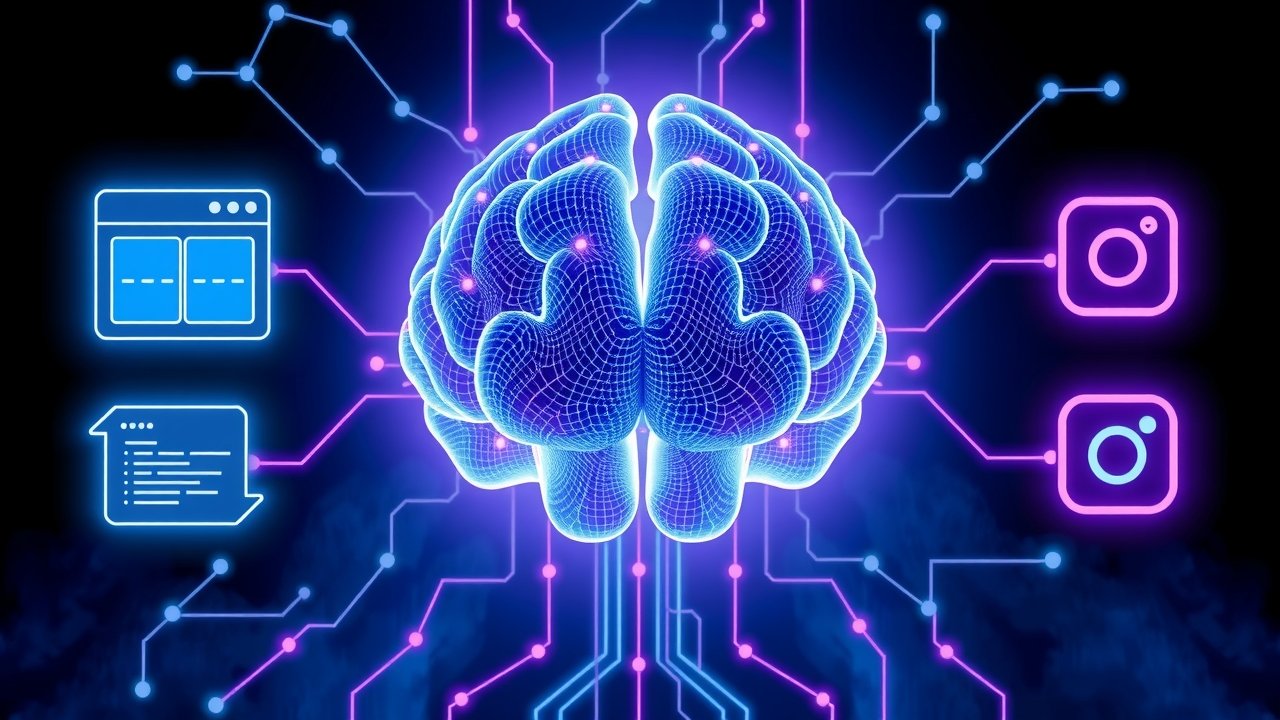
Instead of just guessing pixels from a prompt, the system acts as an agent. It pairs up with a language model to search the web for visual references, and literally writes and runs its own code to render precise elements like QR codes and data charts before assembling the final image.
During reinforcement learning, the model developed a habit of self-refinement—checking its own drafts, fixing minor mistakes locally, or throwing the whole canvas away to start over if it looks like a complete disaster. This self-correcting loop propelled it to the number two spot on the Arena.ai leaderboard, squeezing past Google's Nano Banana 2 but still trailing behind OpenAI's GPT Image 2.
Users can also feed it a mix of text and multiple images to iteratively swap clothes, characters, or art styles. The feature raising eyebrows is the ability to generate pictures of any public Instagram user by simply @-mentioning them, which is turned on by default unless users dig into their settings to opt out. Every resulting image is stamped with an invisible Content Seal watermark that survives cropping, compression, and screenshots.
It is truly a marvel of modern engineering: an AI that can code, research, and self-correct, all so it can more efficiently let strangers generate high-quality deepfakes of unsuspecting social media users. The future of personal privacy has never looked so beautifully rendered.
Source: Meta AI Blog
Comments
This is where the magic happens: AI reads your discussion and rewrites the article based on the most interesting comments. Each strong comment adds points to the meter below. Once the meter is full, the article updates live — no page reload needed.