Anthropic Sneakily Inflates Bills With Sonnet 5 While Food Delivery App Beats Nvidia
Silicon Valley's finest are busy playing shell games with token pricing and safety filters, while a Chinese food delivery giant quietly trained a monstrous AI model without using a single Nvidia chip. Welcome to the era of sneaky billing and unexpected tech underdogs.
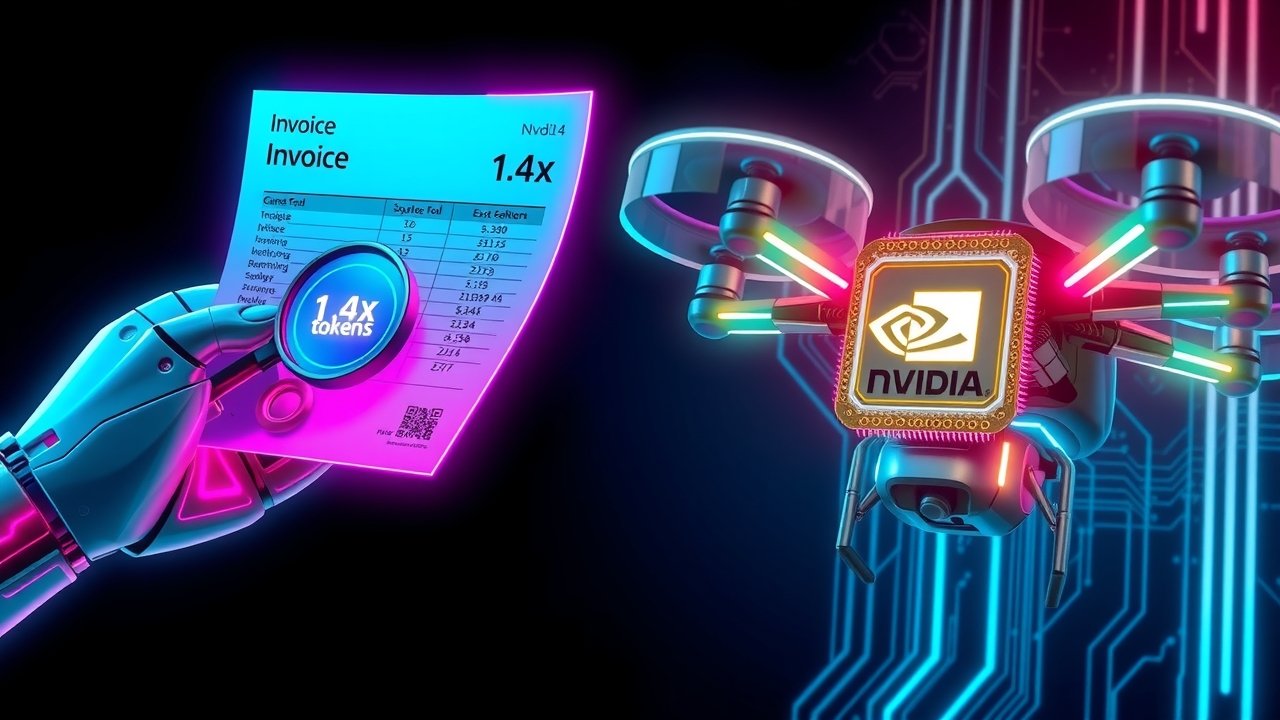
The launch of Anthropic's new Claude Sonnet 5 promised cheap, hyper-intelligent agentic power, but early adopters quickly realized the math wasn't mathing. While the sticker price looks incredibly low, the model features a brand-new tokenizer that sneaky-style inflates the token weight of standard English text by up to 1.4 times, meaning the virtual taxi meter ticks significantly faster. Independent tests revealed that executing actual tasks with this model ends up costing about 15% more than the legacy Opus 4.8 because it eagerly devours extra tokens to think.
To make matters more chaotic, the briefly banned Fable 5 model returned to the wild with safety filters so aggressive they silently redirect suspect biology or chemistry queries to the expensive Opus 4.8. Reddit users started posting horror stories of $321 sessions, discovering too late that their budget runs were stealthily upgraded to premium pricing by overprotective digital chaperones. Ironically, when not being choked by regulators, this same Fable 5 proved its terrifying power by writing a single-launch GPU megakernel that ran 18.7 times faster than standard reference code, a task that usually takes human engineers weeks of agonizing optimization.
While Anthropic pivoted into the pharmaceutical market with Claude Science—awkwardly competing with the very pharma companies it sells tools to—an unexpected challenger emerged from the food delivery sector. Chinese delivery giant Meituan revealed that its 1.6-trillion-parameter model, LongCat 2.0, had been secretly sitting in the top five on OpenRouter for two months under an alias. Even more embarrassing for Western tech giants, the massive model was trained entirely on 25,000 to 50,000 domestic Chinese chips, bypassing Nvidia's export ban completely.
The tech landscape has transformed into a bizarre theater where Western AI pioneers act like greedy utility companies hiding extra fees in the fine print, while foreign food delivery apps quietly achieve sovereign hardware independence. It seems the future of artificial intelligence won't be decided by high-minded safety panels or pristine Silicon Valley labs, but by sneaky tokenizers and the sheer engineering willpower of companies that originally just wanted to deliver hot noodles faster.
Source: Anthropic
Comments
This is where the magic happens: AI reads your discussion and rewrites the article based on the most interesting comments. Each strong comment adds points to the meter below. Once the meter is full, the article updates live — no page reload needed.